Plug-in solar for apartments: all that glitters is not gold
Author: Kate Nicolazzo, High Life Living and Let Me Be Frank
Plug-in solar, or balcony solar as it is often called, has become the energy story of the month. Let’s be honest, we all love shiny new tech – but will the shine hold up. Here's where it stands, and what it means for apartment owners, renters and owners corporations.
What is it?
Plug-in solar is a small kit: one or two panels, a micro-inverter and, increasingly, a battery. It plugs into a standard powerpoint and offsets the electricity your appliances are using at the time. Overseas systems typically produce 600–800 watts and cost up to about $1,300.
Right now, you can buy these kits in Australia (from overseas), but you can’t legally plug them in.
What's changed?
On Friday 11 September, federal, state and territory energy ministers agreed to explore pathways for the safe use of plug-in solar and batteries, and to report back on next steps by the end of the year.
They're following a well-trodden path. Around one in ten German households has a system. The UK legalised plug-in solar in August this year. New Zealand has flagged it will do the same within 12 months.
Our view
We welcome it. Apartment residents and renters have been largely locked out of the solar boom. 50% of owner occupier homes in Australia have solar, only 11% of rental homes do… and nationally between 3-6% of Apartments. Anything that gives people living in apartments a direct way to generate their own power, and take it with them when they move, is a step toward rebalancing the scales.
BUT it's a small step, and it won't suit every apartment home. A plug-in system is a small fraction of a typical rooftop system. It could work well on a sunny, north-facing balcony. However, on the south side of the building, or in the shadow of the tower next door, the savings shrink fast. It's a good option for some residents, not a solution for every apartment. In fact it is probably likely to suit renters in stand-alone homes much better than apartments. As Glen Morris from Solar Quip said at an event at RMIT this week “it’s an answer. Not the answer.”
Safety is central. As strata expert Julie McLean pointed out on LinkedIn this week “Renewable adoption shouldn't come at the expense of community safety.” Safety standards need collaborative work. State and federal regulators, along with Standards Australia need to work together to build a framework that protects the grid, people living in apartments and those on the street below! As an appliance, plug-in solar is no more exotic than the e-bikes, scooters and other battery devices already in our buildings. Germany has made it work, and Australia doesn't need to start from scratch. Good product and installation standards and with clear consumer information will matter — especially for batteries.
Owners corporations will need help to navigate this. Panels mounted on balconies and cabling to power points raise practical questions for OCs, including fixings and wind loading, trip hazards, fire safety, facade appearance, and responsibility if something is damaged or falls. Balconies and facades are often covered by OC rules, and committees may receive requests from residents before national rules are settled. Regulation and clear guidance will help residents and committees work through these questions consistently.
Don't lose sight of the bigger picture
Plug-in solar is attractive because it's quick and personal. It scratches an itch for control of our energy use that so many Australians have been unable to. That's a strength, and a risk. If it's treated as the answer for apartments, it could draw attention and effort away from the changes that make the biggest difference over time:
Shared solar and batteries on common property, which can power common areas and share benefits across every lot, whichever way your balcony faces.
Electrifying common systems — central hot water, heating and cooling — where the largest emissions and cost savings usually sit.
Electrifying apartments — moving from gas to efficient electric cooktops, heating and hot water.
EV charging that's planned for the whole building, not added one bay at a time.
These are harder. They need OC decisions, funding and patience. BUT they're where the big gains are — and buildings across Melbourne are already doing them.
What needs to happen
A clear national timeline from energy ministers, with states, territories and Standards Australia working to the same plan.
Borrow what works. Adopt German and UK standards and lessons wherever they fit Australian conditions.
Guidance for owners corporations developed alongside the rules — covering fixings, cabling, fire safety, insurance and by-laws — so committees aren't left to work it out alone.
Education and guidance for users so potential purchases can more easily understand if it’s the right solution for them and their home.
Continued, stronger support for whole-of-building upgrades, so plug-in solar adds to apartment decarbonisation rather than stands in for it.
What you can do now
Hold off buying. Kits aren't legal to use yet, and standards are still being set.
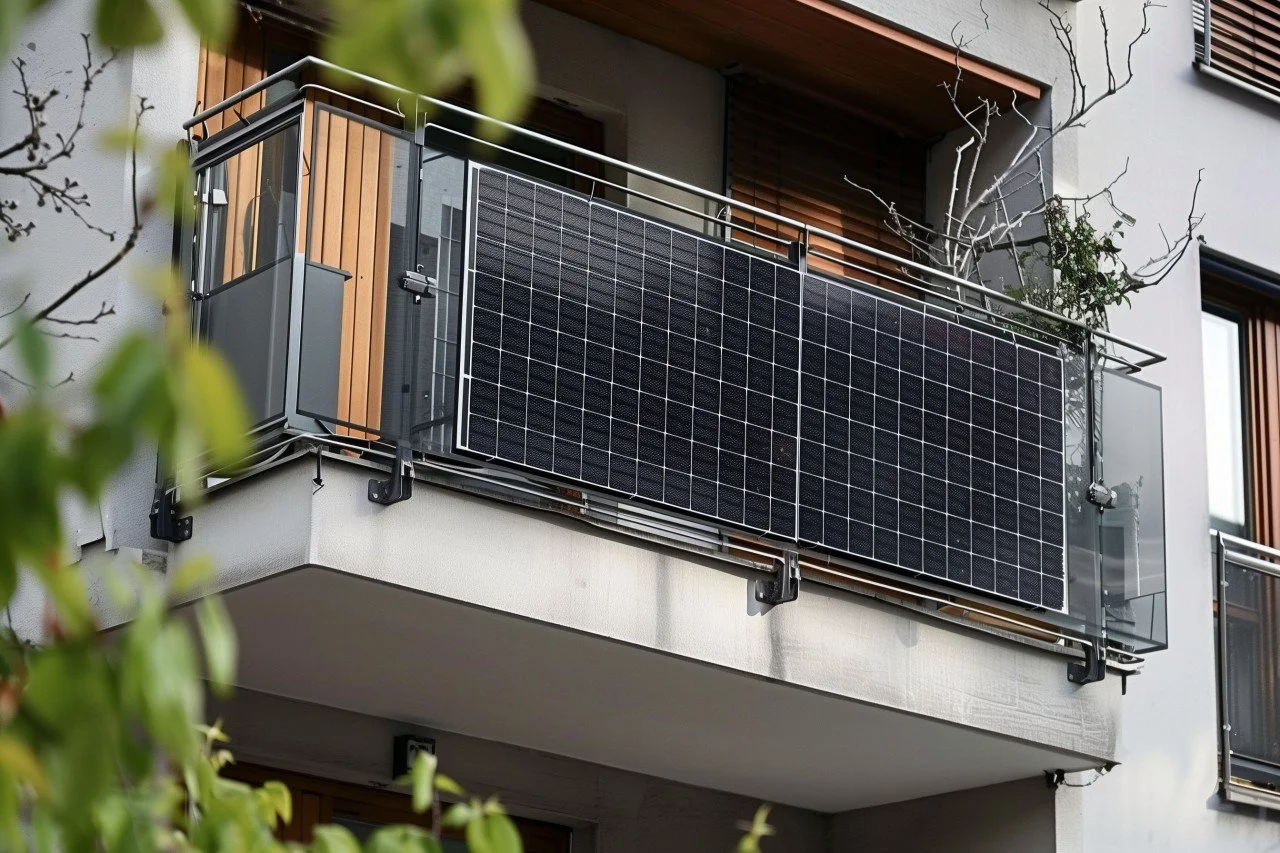
Photo by Marco Verch (licence CC-BY 2.0)
Put it on your OC's radar. A short committee discussion now will make it easier to respond when residents ask.
Start on the bigger wins. Explore High Life Living resources on going electric, solar and batteries for apartments, and getting your building EV-ready. And see how one building did it in our McKean St EV charging case study.
Come to the High Life Expo. We are pulling together a huge range of organisations and experts who can give you the practical answers and the support you need to solve your challenges in your apartment or building. Saturday 3 October at Melbourne Town Hall. Tickets are free but bookings are essential.
We'll keep tracking this as the rules take shape – sign up to High Life Living e-updates to stay in touch with this issue (and many others).